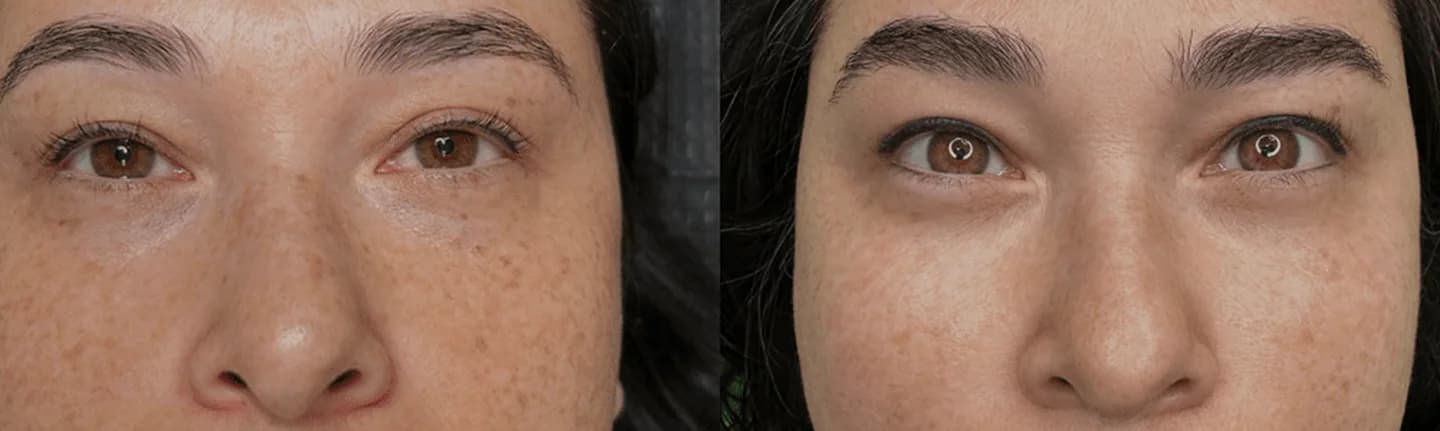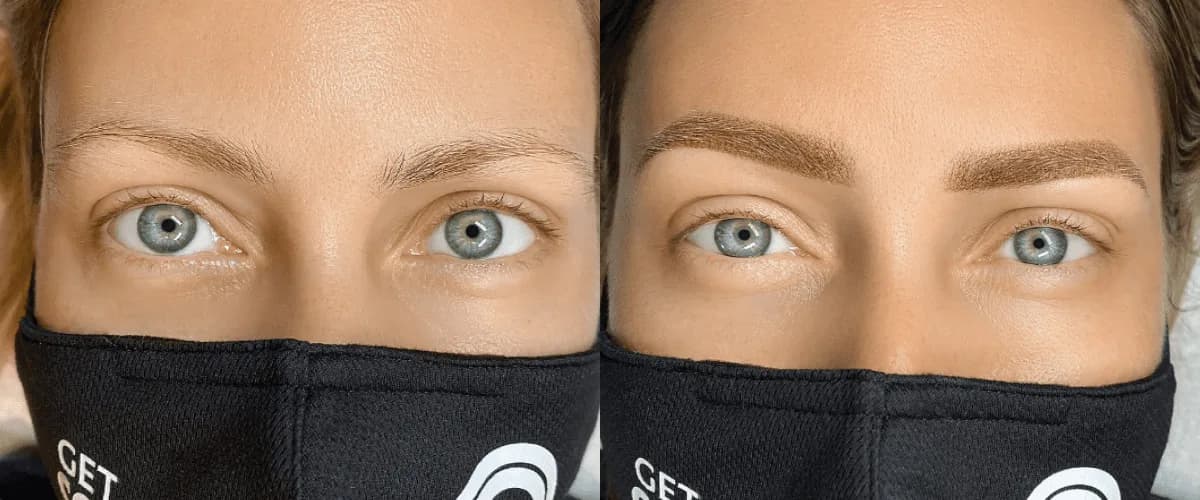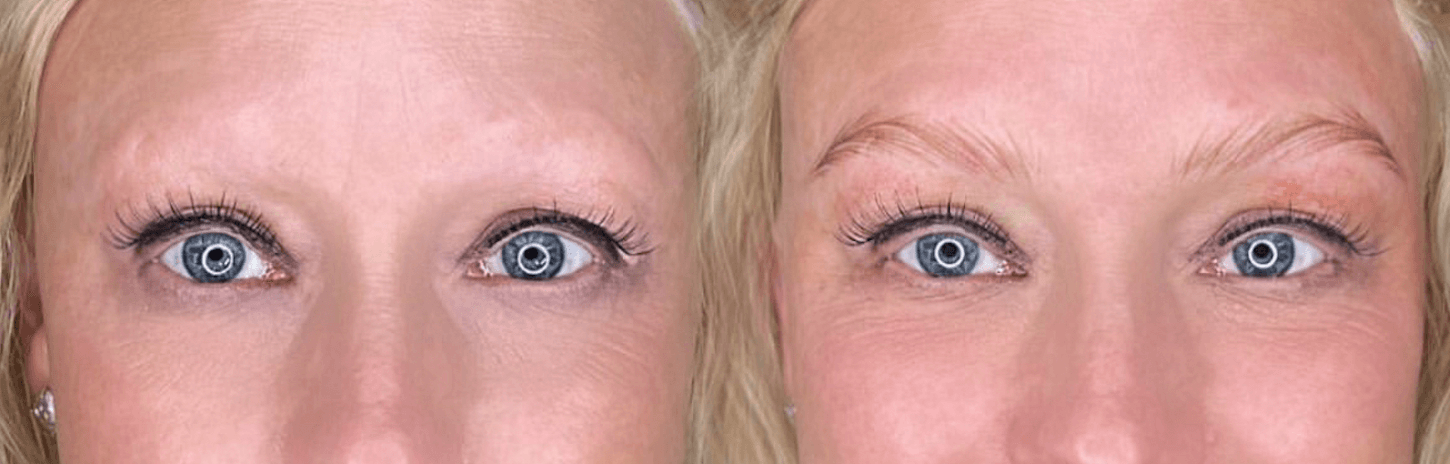

For a soft, shaded, makeup-like finish, most women opt for ombré eyebrows. This semi-permanent cosmetic tattoo technique suggests that a machine is used to deposit pigment into the skin in a “pixelation” method. The procedure is safe and efficient, but it still carries the risk of things going wrong. To reduce the hazard, book an appointment at Anna Kara’s Beauty PMU studio, where competent artists work. In the article, we’ll discuss what to expect in case of a botched procedure.
Understanding Ombre Eyebrows
Ombré eyebrows are compatible with all skin types. Even if you have highly oily or deeply lined, mature skin, you can count on a beautiful result. The artist ensures a gradient effect known as “powder brows” by making tiny dots, depositing pigment on top of the skin, and controlling the thickness of the eyebrows from the front to the tail. Unlike microblading with its nano hair strokes, it is less invasive, does not cut the skin, and comes with just a few side effects.
The process is standard. You consult an artist to define your brow shape and color, and understand the preparation requirements. Then, you schedule an appointment. During the initial session, a technician maps out the shape of your brows with a pencil, agrees on it, and applies a topical anaesthetic to reduce discomfort during tattooing. With a small machine, she deposits pigment into the skin, reaching the approved color intensity. To complete, she makes final adjustments and calms the treated skin with healing balm.
As a result, you have a natural and long-lasting effect almost regardless of your skin type, which is commonly one of the most important factors that impact the longevity of any semi-permanent makeup. It is also preferred due to a painless experience and a short healing period because of surface treatment, which significantly reduces the risk of skin trauma. The power eyebrow lasts up to three years. The aftercare is important for the continuity of the look.

Common Issues with Ombre Eyebrows
The target of this technique is to achieve a powdery finish. If you want a subtle, natural enhancement, ombré eyebrows will meet your expectations. If you prefer a bold, dramatic look, you’d better consider permanent eyebrows, lasting over 5 years. It is reasonable to assume that too thick and dark ombré eyebrows are an undesired result. What else can be considered bad ombré eyebrows? Let’s figure this out.
Uneven Shape or Thickness
Before the treatment, an experienced artist maps your eyebrows to find the shape that complements your facial structure, opens your eyes, and frames your face. It is possible to change eyebrows completely to flatter the appearance. Ombré eyebrows are highly customizable. That is why an artist has a free hand, and if she lacks experience, a misshape and undesired thickness are possible. If you choose a technician with no required skills, you take the risk of getting thick, bad ombre eyebrows.
To avoid this, choose a reputable studio and ask for an artist’s portfolio before booking. To fix the uneven shape or excessive thickness, decide on professional correction or removal with the use of acid or laser. Before you lose your cool, you should know that the color and length are not final within the healing process. You’d better wait for up to a month to let your eyebrows get fully settled in.
Excessive Darkness or Incorrect Color
Typically, an artist selects an accurate color of powdered eyebrows, matching your skin tone and hair hue for a well-balanced total look. Also, the intensity of pigment can be adjusted according to particular needs. You should remember that the color will be final only in about two months after tattooing. If even upon healing, the darkness is obvious, it means that an artist has overly saturated the skin with pigment, deposited it too deeply, or chose the wrong color.
Pigment Migration
Pigment migration is more typical when oily skin is tattooed because naturally produced sebum causes pigment to disperse under the skin easily. Additionally, if an artist chooses an excessive depth when depositing pigment or uses poor pigment, the ink can blur or spread outside the mapped brow shape. Sometimes, this may happen because a client does not follow aftercare instructions. For instance, frequent sweating and wetting can be a reason.
Premature Fading or Disappearance
Early fading is caused by incorrect aftercare and can be fixed at a perfection session. To avoid this issue, follow the artist’s instructions, do not use aggressive skincare products, protect the skin with SPF creams, and avoid premature wetting.
You can also experience the disappearance of fragments of your eyebrows during the natural healing process at the so-called “ghosting” stage. This fading does not require correction. Once peeling stops, the color returns.
Causes of Ombre Eyebrow Complications
The common healing process includes a range of uncomfortable conditions, like an initial dark appearance immediately upon tattooing and flaking within up to 7 days. But these are not complications unless you do something wrong to cause them. During flaking, it is crucial to avoid picking at the skin. The color will gradually soften, and you’ll see the final shade in about 6 weeks if you stick to the aftercare recommendations.
The real side effects are scarring and infections. If you suffer from autoimmune disorders and active conditions, such as eczema, psoriasis, dermatitis, or rosacea in the brow area, and get your ombre eyebrows, you take the risk of infections, allergies, or poor pigment absorption. Also, thin blood can result in excessive bleeding during the procedure, which worsens pigment retention.
Solutions for Bad Ombre Eyebrows
To sum up, bad ombré brows are possible, but they can be fixed. The key solutions are emergency saline removal within 48 hours, color-correcting touch-ups, and laser removal after complete skin healing.
Immediate Post-Treatment Corrections
Within 48 hours after the procedure, you can schedule an appointment for an emergency removal procedure that involves saline or glycolic acid. It is vital to do it while the skin is still open.
Fading Techniques for Overly Dark Brows
To fix bad powder brows, you can camouflage the excessive pigment once the healing process is over. In about 6 weeks, at a perfection session, an artist offers professional color corrections, reapplying corrective pigments to neutralize the wrong tone.
Removal Options for Severe Cases
Saline removal is suggested to erase ombre eyebrows of a disappointing shape, with migrated pigment, or an intense color. 6 weeks after tattooing, an artist will deposit a specifically prepared solution into the skin in the eyebrow area that will lead to scabbing, which will draw the pigment out. This takes up to 8 sessions, performed every 6 weeks. Also, laser removal is possible, but it can be applied only about half a year after tattooing.
Preventing Ombre Eyebrow Mistakes
To prevent ombre eyebrow mistakes, choose a professional artist who avoids heavy saturation and keeps strokes light with a consistent angle to avoid scarring and pigment migration. On your part, you should not neglect pre-care instructions. Remember that you should avoid blood thinners, including fish oil, caffeine, and alcohol, for 48 hours before the treatment. Even earlier, at least 7 days before you get your semi-permanent makeup, stop using exfoliants, Retin-A, or AHAs/BHAs on the skin.
Aftercare Tips for Optimal Healing
Aftercare rules are of great importance, too. For two weeks, keep your ombre eyebrows dry, avoiding intense sweating, swimming, and taking hot showers. You should not pick scabs. Apply only the recommended cream to calm the treated skin. Further, you should protect the skin from the sun and refuse harsh face care on the forehead.