Note: our studio doesn't offer chemical peels. This article is general information. For dark scars and stretch marks we offer Nue Bright lightening, and for uneven skin color, camouflage.
Hyperpigmentation occurs when certain areas of skin become darker than their surrounding tissue. While hyperpigmentation is common and harmless, it can affect one’s self-esteem. Fortunately, several treatment options are available to address this concern. Many dermatologists, including those board-certified in San Diego, often suggest chemical peels as an effective solution.The procedure offers a safe approach to addressing hyperpigmentation by reducing the appearance of darkened skin patches.
Understanding Hyperpigmentation: Causes and Types
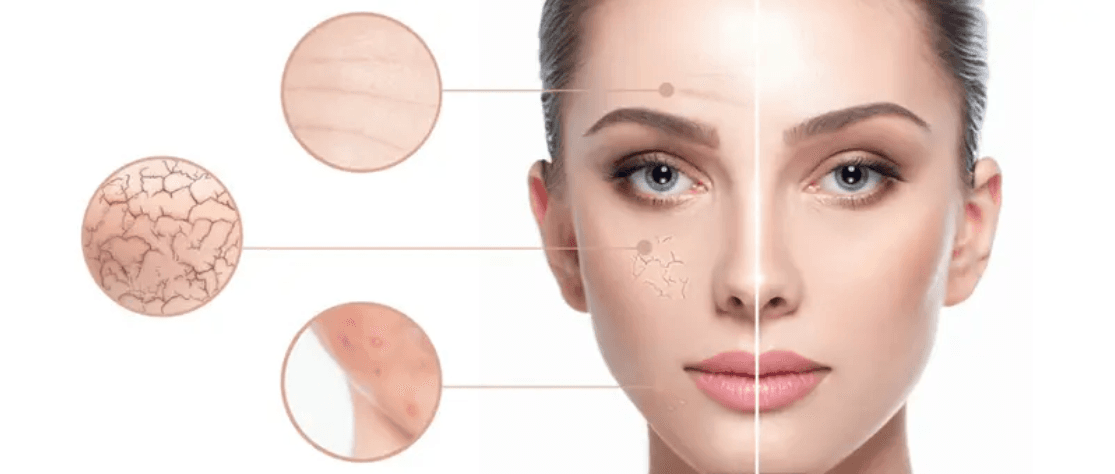
Hyperpigmentation is an umbrella term encompassing various forms of skin discoloration. This condition occurs when melanocytes—cells responsible for skin pigmentation—are stimulated to overproduce melanin, resulting in localized skin darkening or brown spots. Numerous factors can trigger this overproduction, including solar radiation, hormonal fluctuations, certain medical conditions, genetic predisposition, and other environmental or physiological influences.
Hyperpigmentation can be categorized into three primary types:
- Solar lentigines, commonly known as age spots, are the most prevalent form and typically result from cumulative sun exposure.
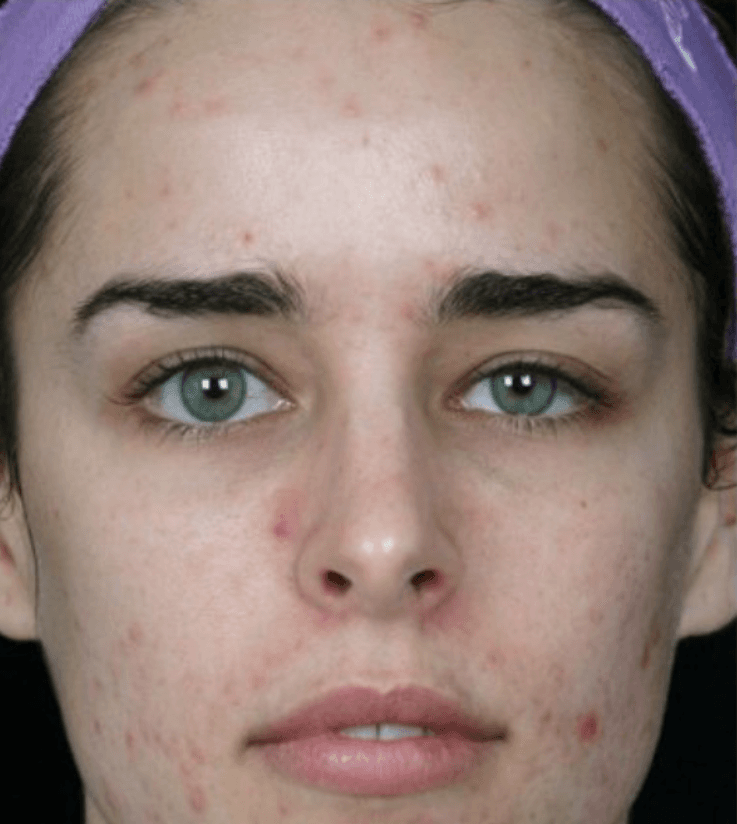
- Post-inflammatory hyperpigmentation often develops following skin trauma or inflammation, such as that caused by acne or other dermatological conditions.
- Melasma, sometimes called the ‘mask of pregnancy,’ is associated with hormonal changes. It often occurs during pregnancy or menopause and can manifest on the face or abdomen.
Understanding the type and cause of your hyperpigmentation is crucial in determining the most appropriate treatment approach.
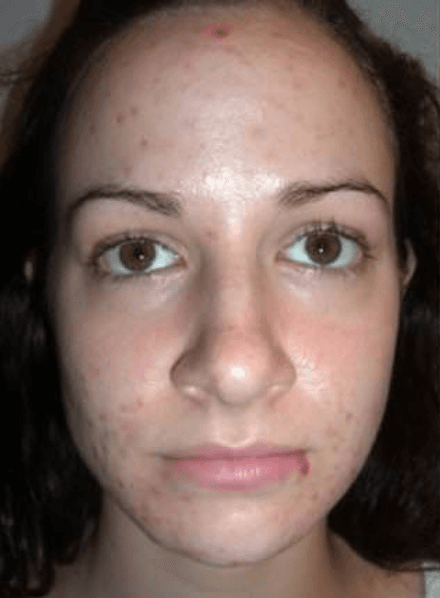
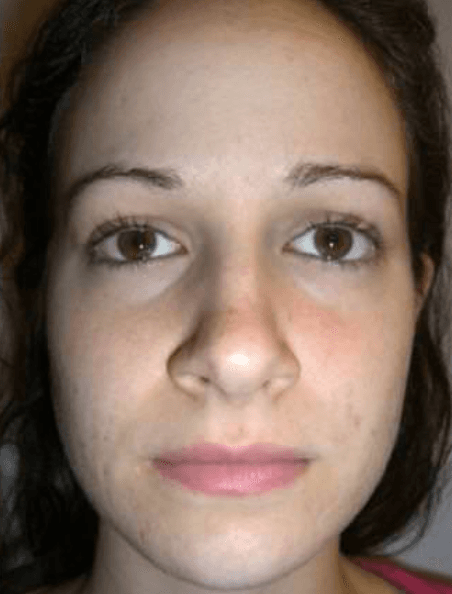
How Chemical Peels Work to Treat Hyperpigmentation
Chemical peels use concentrated acidic solutions to target specific skin areas. These treatments reduce hyperpigmentation by exfoliating the epidermis, the outermost layer of skin. More intensive peels can penetrate deeper, reaching the dermis (the middle skin layer), to achieve more pronounced effects.
While over-the-counter options exist, seeking a professional-grade chemical peel may be beneficial. These medical-grade treatments offer greater potency and produce more rapid and noticeable results.
Types of Chemical Peels: Superficial, Medium, and Deep
Chemical peels are categorized into three main types, each offering varying degrees of penetration and intensity:
- Superficial peels: These use mild acids, usually alpha-hydroxy acids, to gently exfoliate the skin’s outermost layer. This procedure is limited to the epidermis, providing a light refreshment to the skin’s surface.
- Medium peels: Using agents such as trichloroacetic or glycolic acid, these peels penetrate the skin’s outer and middle layers. This deeper reach enhances their effectiveness in removing damaged skin cells.
Deep peels: The most intensive option, deep peels thoroughly penetrate the skin’s middle layer. They commonly use phenol or high-concentration trichloroacetic acid to comprehensively eliminate damaged skin cells, offering the most dramatic results.
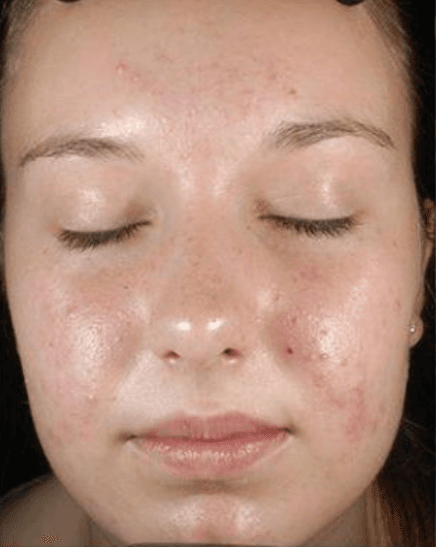
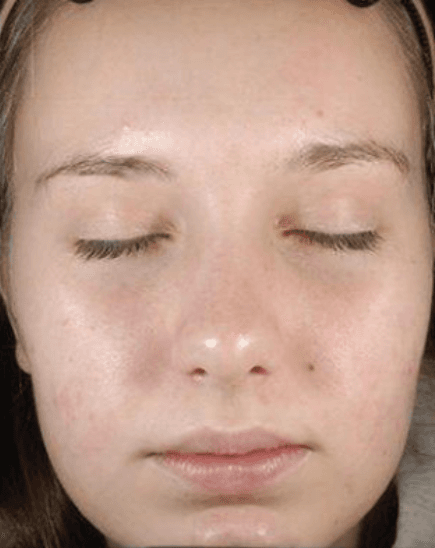
Choosing the Right Chemical Peel for Your Skin Type
Chemical peels come in various forms, differing in depth and ingredients. Selecting the right peel requires consultation with a skincare expert who can evaluate your medical background and skin issues to create a personalized treatment strategy. The intensity of your hyperpigmentation and skin type are key factors in choosing the appropriate chemical peel. Mild cases may respond well to superficial or light peels, while deeper scars might necessitate medium or deep peels or a combo approach using different peels.
Preparing Your Skin for a Chemical Peel
A chemical peel starts with a consultation where a skin specialist near me assesses your skin and recommends treatment. Before the procedure, you may be required to stop using retinol products and avoid Accutane for months. Also, tell your specialist about all the medications you’re taking. They may suggest antiviral drugs for cold sore prevention or special lotions to enhance results.
In the week before your chemical peel, skip hair removal, facial bleaching, and exfoliants. You’ll need a ride home for deeper peels and may receive pain medication. Throughout this process, don’t hesitate to ask your specialist any questions to ensure a safe and effective treatment.
The Chemical Peel Procedure: What to Expect
The chemical peel process begins with thoroughly cleansing the skin to remove excess oils. The skincare professional then applies an exfoliant acid, starting with the thicker areas of skin, such as the chin, nose, and cheeks, before moving to the more delicate areas.
Common peeling solutions include glycolic acid, trichloroacetic acid, salicylic acid, lactic acid, or carbolic acid. The choice of acid depends on your specific skin goals, which your skin care professional will discuss with you to determine the appropriate peel depth. After applying the peel, the PMU artist may use cool compresses to remove any remaining exfoliant.

Post-Peel Care: Essential Tips for Recovery
Proper aftercare is crucial for optimal results and to minimize complications. Here are some key post-peel care tips:
- Keep the skin clean and moisturized
- Avoid picking or peeling the skin
- Stay out of the sun and use broad-spectrum sunscreen daily
- Follow your practitioner’s specific aftercare instructions
- Be patient, as it may take several days to weeks to see full results
- Avoid strenuous exercise or activities that cause excessive sweating for a few days
Potential Side Effects and How to Manage Them
While chemical peels are generally safe when performed by trained professionals like Anna Kara Studio, there are potential side effects to be aware of:
- Redness and irritation
- Dryness and flaking
- Temporary darkening or lightening of the skin
- Infection (rare)
- Scarring (very rare)
Most side effects are mild and resolve on their own. However, if you experience severe pain, excessive swelling, or signs of infection, contact your healthcare provider immediately.
Long-Term Benefits of Chemical Peels for Hyperpigmentation
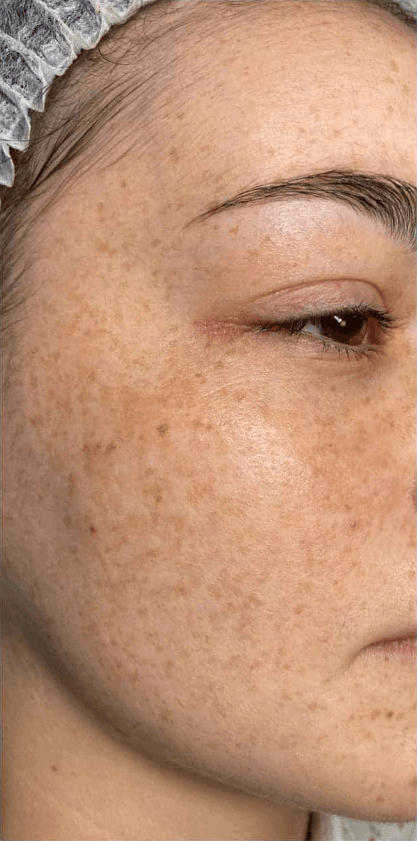
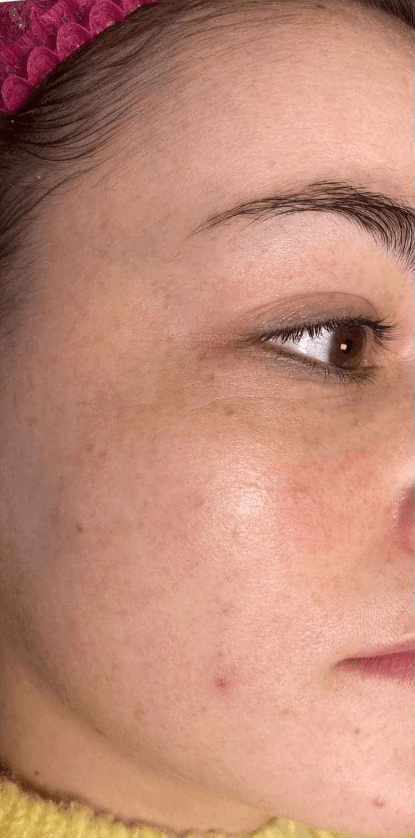
With consistent treatments and proper skin care, chemical peels can offer significant long-term benefits for hyperpigmentation:
- Improved skin tone and texture
- Reduced appearance of dark or brown spots and patches
- Enhanced overall skin brightness
- Boosted collagen production, leading to firmer, more youthful-looking skin
- Improved effectiveness of topical skincare products
It’s important to note that multiple treatments may be necessary to achieve the best results, especially for deeper or more stubborn scars and hyperpigmentation.
Chemical Peels vs. Other Hyperpigmentation Treatments
While chemical peels are effective, they’re not the only option for treating hyperpigmentation. Here’s how they compare to other treatments:
-
Topical Treatments:
-
It is less invasive but may take longer to show results
-
It can be used as a combo with chemical peels for enhanced effects
-
Microdermabrasion:
-
Gentler than most chemical peels
-
It may be less effective for deeper pigmentation
-
Laser Treatments:
-
Can target specific pigments more precisely
-
Often more expensive and may require more downtime
-
Intense Pulsed Light (IPL):
-
Effective for various types of pigmentation
-
It may not be suitable for all skin tones
Each treatment has pros and cons; the best choice depends on individual skin concerns, budget, and desired outcomes. That said, chemical peels stand out for their versatility and balance of effectiveness. They can be customized to address various depths of pigmentation and skin types, offering a middle ground between gentler treatments and more intensive procedures.
Maximize Your Results with Anna Kara Studio: A Holistic Approach to Skincare
If you’re struggling with hyperpigmentation and are considering treatments in San Diego, contact Anna Kara Studio for a personalized consultation. Our PMU team near me brings several years of experience to your skincare needs. This wealth of knowledge ensures that each client receives a custom-tailored chemical peel treatment plan, particularly for conditions like hyperpigmentation.