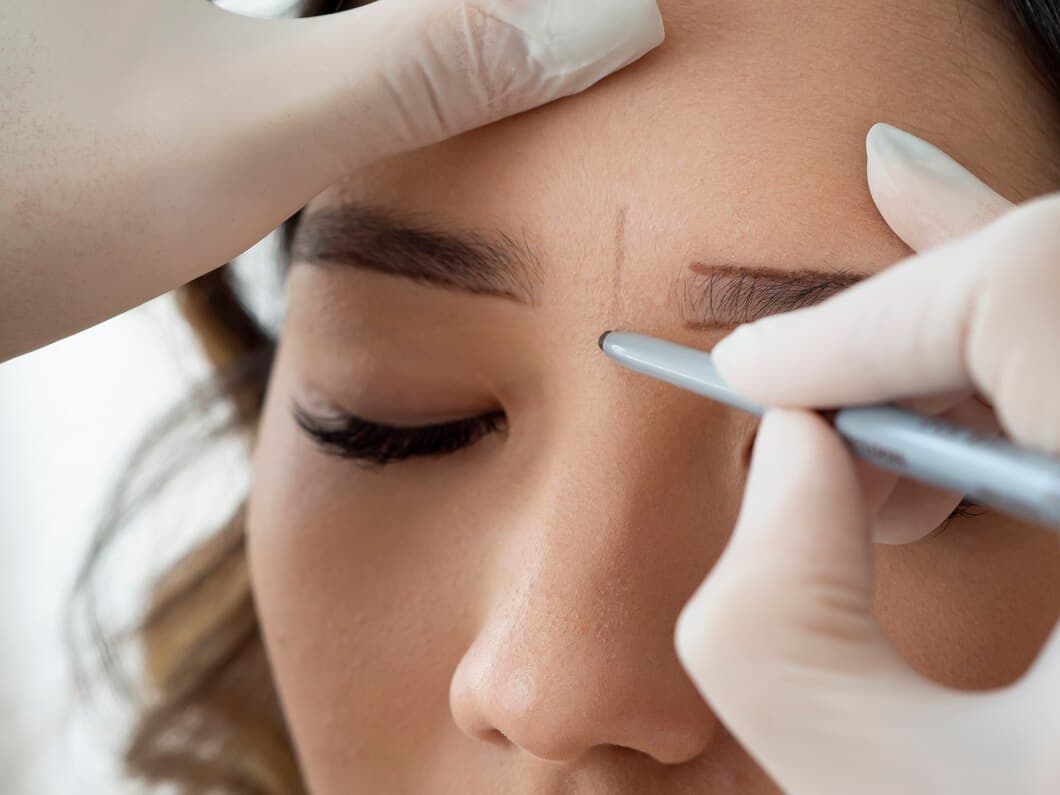
Microblading normally includes scabbing during the healing stage. At Anna Kara’s PMU studio, artists always consult clients on what to expect after the procedure and how to manage scabs to ensure proper healing and beautiful eyebrows as a result.
Understanding Microblading Scabbing
When you do microblading in San Jose or other cities within San Diego County, you’ll receive detailed individual instructions on aftercare and healing stages. In the article, we’ll just outline the general related concerns. Microblading scabs typically form on the 5th day after the initial session and last for approximately a week. You should not interfere with the process, as picking and scratching flakes can cause patchy brows and potential scarring.
This natural skin reaction is caused by tiny incisions needed to deposit pigment into the skin. Cuts trigger the body’s natural wound-healing response. The lymph fluid secretion in damaged areas hardens over exposed tissues, protecting them from external threats. In this way, scabs seal the wound, allow the skin to repair itself without being infected, and prevent blood loss. When the healing process is over, and new skin regenerates under scabs, the crusty barrier falls off, revealing new skin with proper pigment. All that is required from a client is to keep cool and let nature take its course.
Causes of Scabs Coming Off with Pigment
As we have mentioned, with the normal progression of the recovery process, when scabbing after microblading is over, pigment remains in the new skin. But at the vanishing stage, the skin continues regenerating and looks too light, giving an illusion of a patchy tattoo. You need some time, up to 6 weeks, until the pigment settles in and shows the final color. Unfortunately, sometimes, the faded look is not improved as expected. Pigment retention dramatically depends on proper pigment placement and aftercare.
Depth of Blade Incisions
Microblading scabs coming off with pigment are possible when an artist goes too deep into the skin, which results in intense lymph secretion. Thicker scabs formed with that liquid remove pigment when they fall off. Also, when cuts are not deep enough, pigment remains mostly on the surface and is pulled out with scabs.
Inadequate Aftercare Practices
Improper aftercare can contribute to pigment loss. Lighter scabs are better for pigment retention. To achieve them, you should not let the lymph liquid form on your brows vigorously for the first 24 hours after the procedure by strictly following the cleaning and moisturizing guidelines provided by your artist. Also, premature water exposure, whether from a shower or sweating, will wash pigment out of the unhealed skin.
Proper Aftercare to Minimize Pigment Loss
Vice versa, when you adhere to aftercare instructions, you reduce pigment loss. You should clean the treated area gently and pat the skin dry with a clean towel as soon as possible after cleaning; apply a recommended ointment to prevent thick scabs; and refuse eyebrow makeup. Do not peel or pick scabs. Always keep the skin dry: do not submerge the face in water when taking a shower, and do not work out intensely to avoid heavy sweating.
Cleaning and Moisturizing Techniques
The microblading scabbing stage continues for about a week. During this time, cleaning is needed, but it should be very gentle. To wash your face, use your fingers, lukewarm tap water, and a mild antibacterial cleanser twice a day. Pat your skin dry immediately after washing to avoid intense wetting. Ensure that the product does not contain acids or other aggressive active components. Dry skin should be treated with a recommended ointment. Use a small amount of the product to avoid a heavy layer and excessive moisturizing.
Activities to Avoid During Healing
The primary and most important thing is to refuse to pick, peel, or scrub scabs. You should not apply makeup to the eyebrow area and should avoid aggressive skincare. Any activities connected with wetting should be postponed. You’d better refuse to have heavy household cleaning, intense workouts, attend saunas, and swim in a pool. Sleep on your back to avoid rubbing your face against pillows.
You should avoid direct UV sun exposure, which is essential if you do microblading in El Cajon or any other city within San Diego County, where there are approximately 265 sunny days year-round and up to 10 hours of sunshine per day.
What to Do If Scabs Remove Pigment
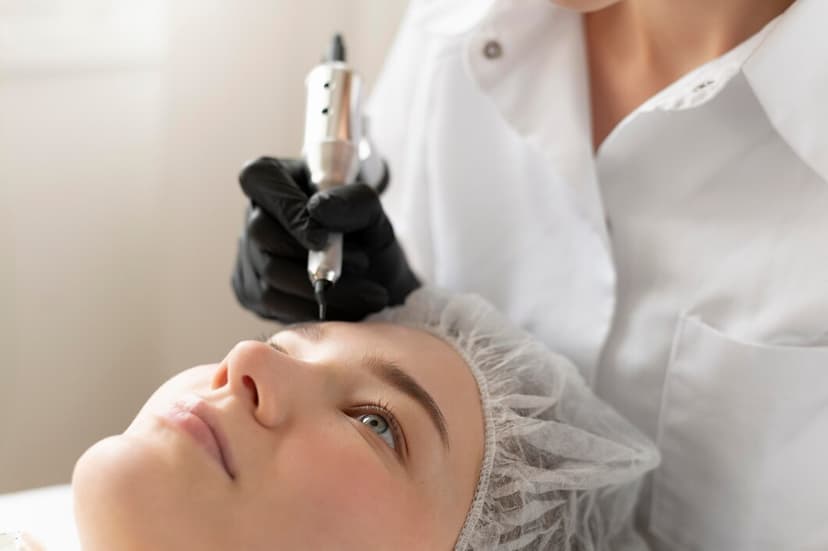
If still scabs, remove pigment, wait until the healing process is over, and ensure that pigment does not settle in. Then, you should book an appointment at a PMU studio for a perfecting session.
Assessing the Extent of Pigment Loss
Remember about the “ghosting” or so-called “vanishing” phase. If the color appears too light or faded after scabs fall off, you should wait until the healing process is completed in the following 4 weeks. Only now can the skin be assessed. If you see large blank areas without pigment or red and inflamed skin, you should go to see an artist. Typically, such a touch-up is scheduled initially to improve the result even when the microblading pigment is not coming off with scabs.
Scheduling a Touch-Up Appointment
The microblading healing process takes up to 6 weeks and can be divided into several distinct stages.
| Healing Stage | Duration, days | Expected Appearance |
|---|---|---|
| Dark | 1–5 | Brows appear bold and may swell |
| Scabbing | 5–10 | Intense flaking and itching |
| Ghosting | 10–20 | Brows look unexpectedly faded |
| Color Returning | 21–42 | True color settles in |
You can do microblading in Ramona and any other location within San Diego County by booking an appointment at Anna Kara’s PMU studio and relying on the comprehensive instructions, high-quality service, and support at every microblading stage to get the stunning result you expect without dramatic re-depositing of pigment into areas that faded during the healing process.