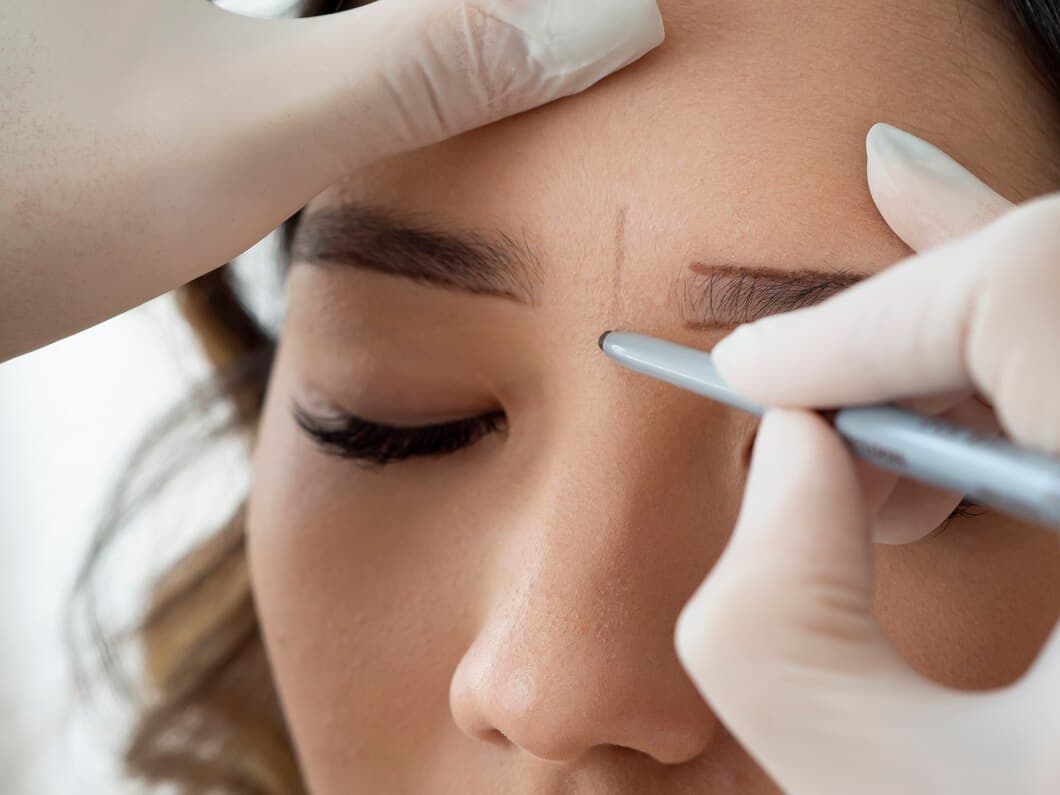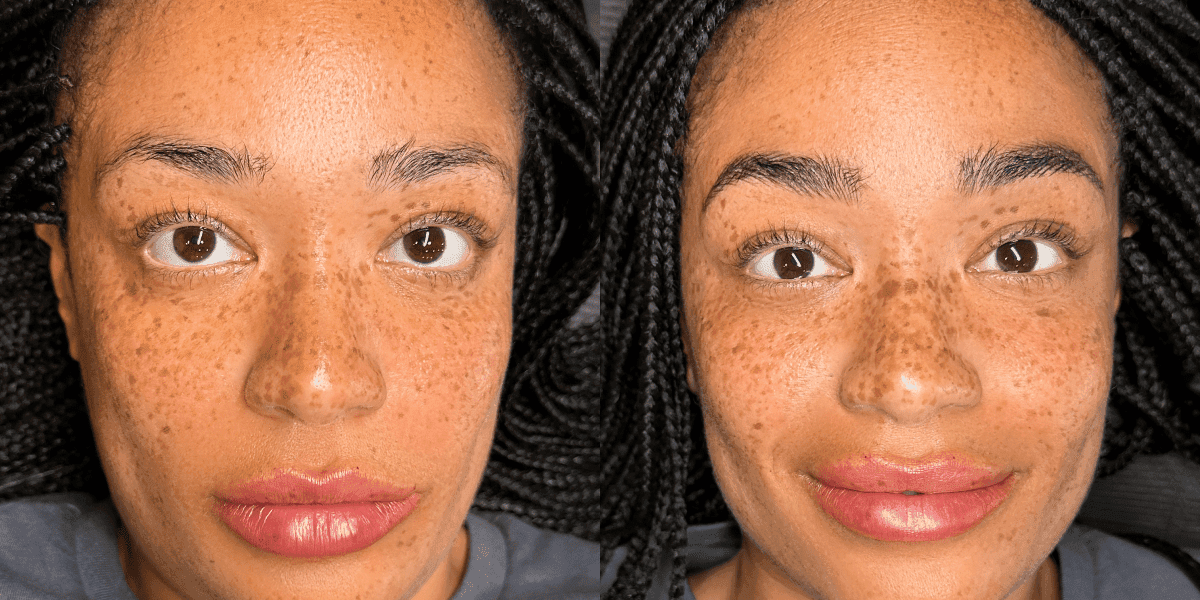
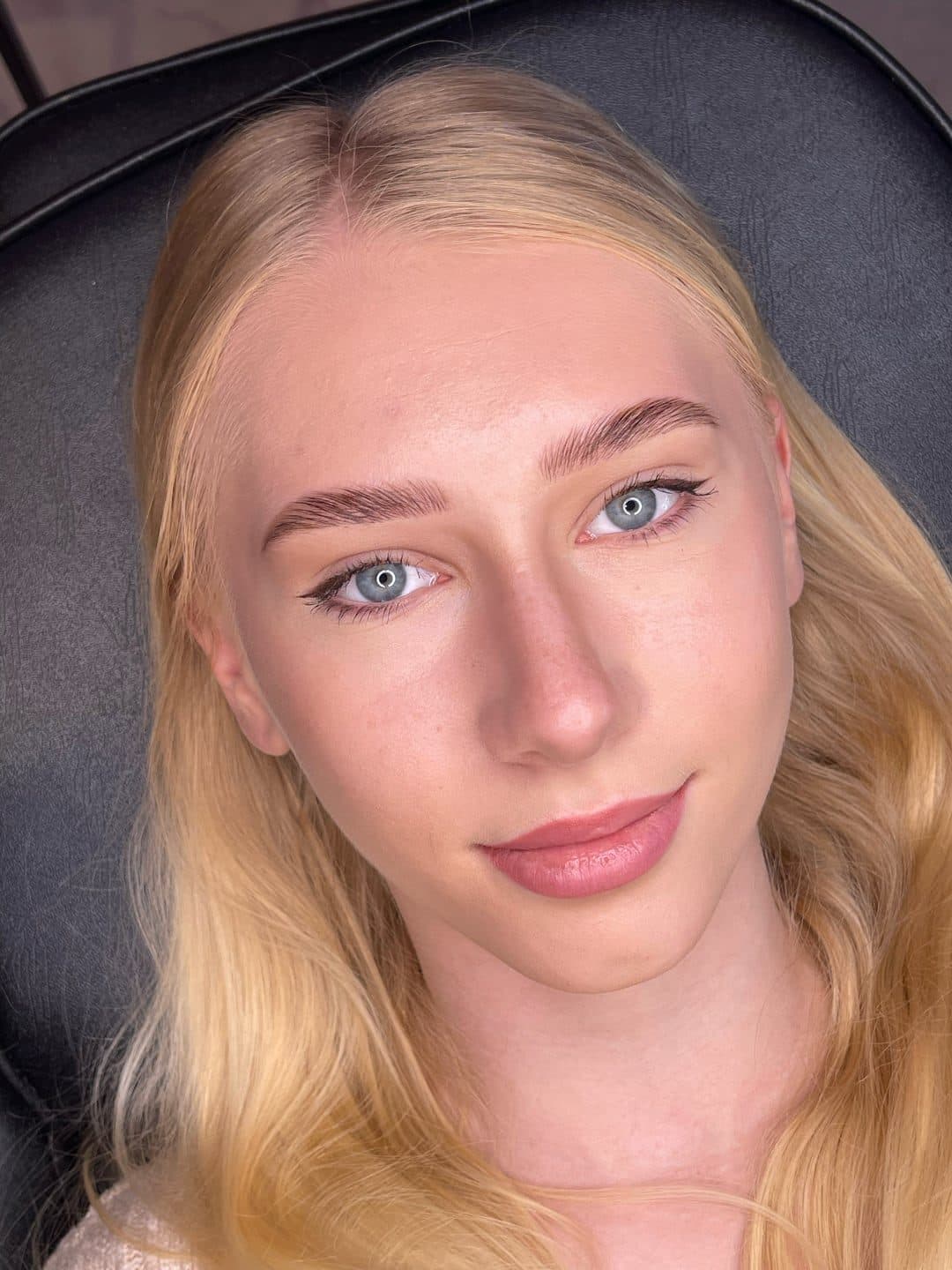
Microblading is used to make eyebrows look well-defined, fuller, and thicker. It is cosmetic tattooing that involves tiny skin cuts where pigment is inserted for semi-permanent makeup. The technique is safe but comes with a post-microblading phase and requires aftercare. The specialists at Anna Kara’s PMU studio will tell you everything that you should know about a healing period and do microblading with all the precautions to prevent any difficulties.
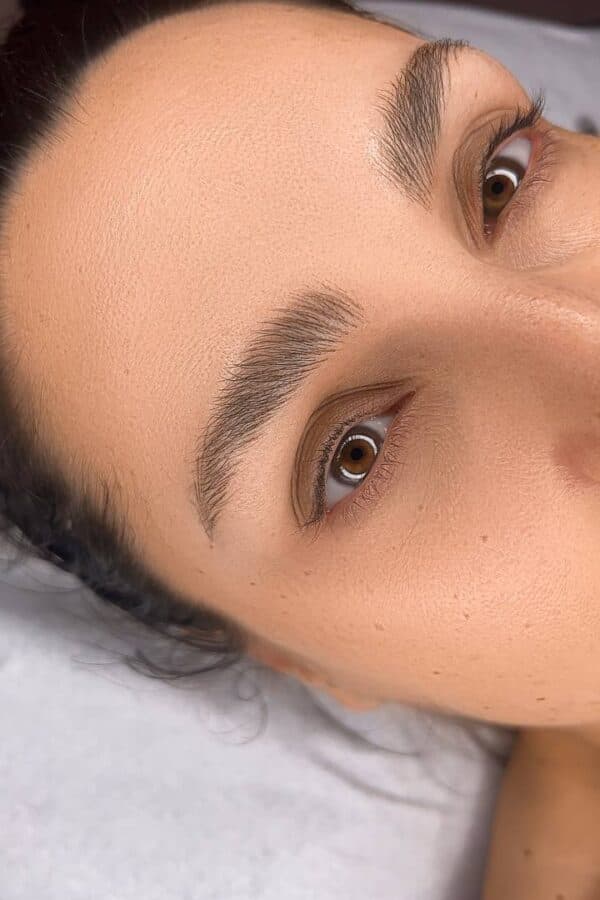
How Long Do Microbladed Eyebrows Take to Heal?
When preferring microblading as an option to forget about daily eyebrow makeup, you should be ready to wait for at least a month until the true color reveals itself. The injured skin will fully repair itself in about two weeks, during which redness, minor swelling, and flaking can be experienced.
What Can I Expect During the Microblading Healing Process?
The technique is tried and tested. That is why, when done by professionals, side effects are rare. The only challenge is the healing process, which can vary due to the individual’s physical attributes. The most common consequences are:
- swelling of the treated skin due to a micro trauma;
- tightening of the skin in the eyebrow area;
- itching because of the repair initiated by the immune system;
- color lightening of the brows due to settlement of a pigment;
- development of a crusty layer covering the damaged skin;
- flaking of a scab, crust, which proves a healing process is almost over.
Whatever happens, it is not allowed to scratch an itchy wound and pick peeling skin. Just in a couple of weeks, relief will come: the skin becomes smooth and stops flaking.
What Are the Stages of the Microblading Healing Process?
Due to the common inflammatory response of the human body to slight injuries, the microblading healing process is well standardized. Everybody can understand the coming experience almost certainly. It takes up to 30 days, which is quite a long period, divided into standard stages with a fixed duration and typical conditions for each. Still, variations are possible due to a client’s skin type, age, and health state.
The process starts after tiny cuts in the skin’s upper layers are made for microblading. Changes in eyebrow color, skin condition, and sensations occur nearly every day after the procedure. But experts define four key stages, including:
- Immediate response. The treated area will feel a little bit painful and look swollen and tender, while the brows will seem too dark.
- Protection. The skin becomes scabby.
- Healing process. The skin feels itchy and starts peeling.
- Regeneration. The skin is clean, the healing process is over, and the result is final.
Commonly, in 8 weeks, a touch-up is recommended to refine the shape and enhance shading.
Day by Day Microblading Healing Process
Before the first microblading, it is highly recommended to discuss all the concerns with a specialist. At Anna Kara’s PMU salon, we are attentive to details and thoroughly prepare our clients for the procedure according to personal needs and conditions. But to get a general idea, below, we describe standard, typical changes that happen during the healing process:
- Days 1 to 3. The face usually feels tender, and the eyebrows look too bold and darker than expected. The skin is red with slight swelling. The cuts can mildly bleed; tiny bruises can appear.
- Days 3 to 5. The above side effects (tenderness and pain) gradually vanish. Eyebrows are very bold, but the skin starts to flake off and finally to scab. A client experiences itchiness.
- Days 5 to 8. The dark color fades, the pigment can become uneven, and flaking and itching increase. This is the most challenging period when scabs should not be picked to avoid wounds and scars.
- Days 8 to 12. Flaking is almost over. However, eyebrows become darker again.
- Days 12 to 21. Brows look almost as they are expected to do.
- Days 21 to 30. The healing process is over. The skin looks perfect, causing no discomfort. Eyebrows are full, but their color continues changing.
- Days 28 to 42. Now, a client has finished their eyebrows.
When everything is healed, a touch-up is recommended to correct the slightest details.
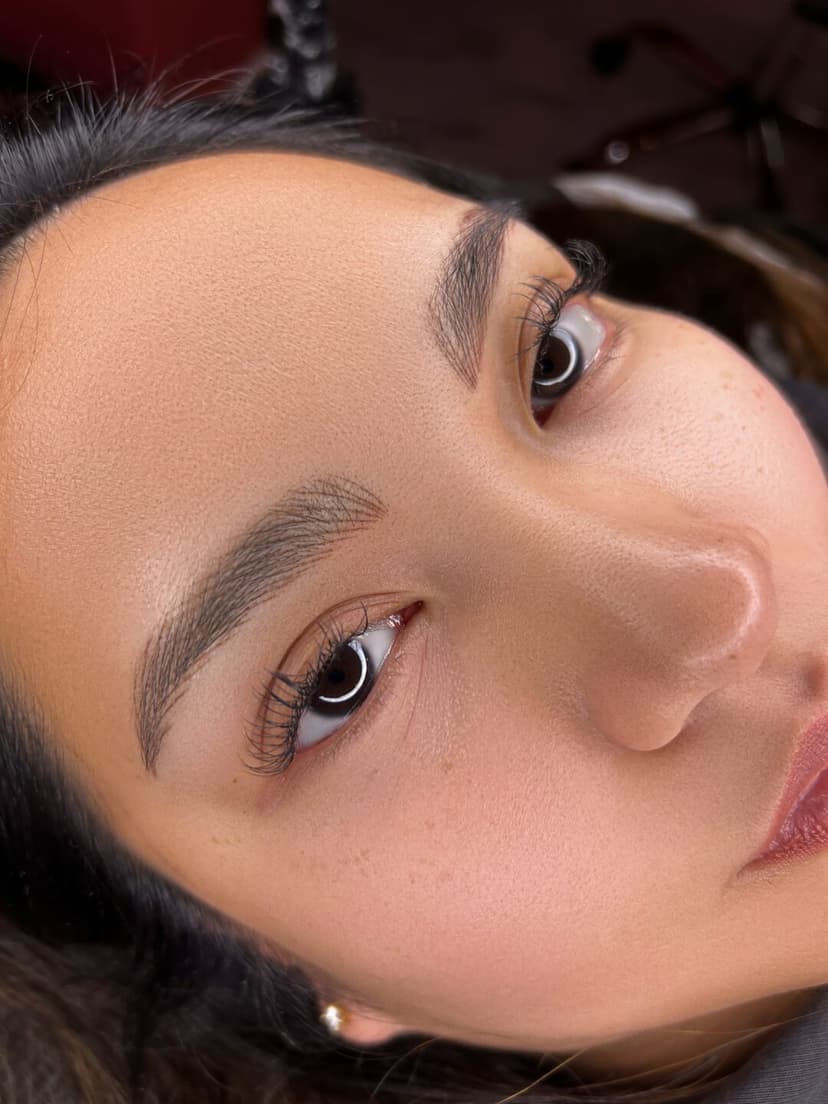
PMUHub Tips to Endure the Microblading Eyebrows Healing Process
To simplify and accelerate the healing process, you should follow the recommendations:
- stay away from steam, pools, and continuous showers during the first week after the procedure;
- apply prescribed moisturizing cream or balm very carefully with a light touch;
- neither pick scabs nor scratch the itching treated skin;
- wash your face with a mild, scent-free cleanser, avoiding rubbing;
- sleep on your back, and, during the day, try not to touch the eyebrow area without a need;
- reduce activities causing heavy salt sweat, which can fade the pigment and irritate the damaged skin;
- refuse being in direct sunlight and tanning until the pigment settles;
- avoid makeup and other routine treatments on eyebrows until the healing process is over.
Aftercare is crucial for not only a successful healing process but also for lasting results with perfect natural-looking shading.
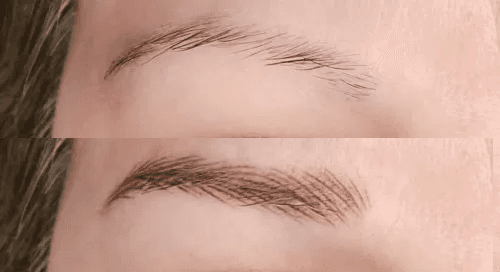
Microblading Healing Process After a Touch-Up
Considering the much less interference during a touch-up, this time, the healing process will not be as long and intensive. But the stages are the same. The discomfort will be over in about a week. While a final result as to color and fullness of eyebrows will be achieved in a month or two.
Your Microbladed Brows Months Later
Your microbladed brows will continue for about 15–24 months. When time passes, the color fades. To refresh them, every 9 months, a touch-up is recommended.
Microblading Healing Process: Main Takeaways
Thus, a microblading healing process looks rather continuous, but annoying unease is experienced during the first ten days. Then, the pigment continues to settle without pain, itching, and flaking. To survive this quite troubled time and not to reduce the beauty of microbladed brows, the above aftercare rules should be met. Also, we recommend softening the impact by:
- Planning your month beforehand to have your everyday life less active and public in order not to draw attention to swollen or scabbing skin around the eyebrows.
- Forgetting as much as possible about your eyebrows, restricting looking at yourself in the mirror every hour to notice changes, and just calmly waiting for the end of the healing process.
- Taking flaking and scabbing without irritation, and just ensuring that everything develops as described above.
- Using the ointments and creams that a microblading artist has shared, and ask for consultation if any concerns arise in terms of the state of the skin or the way it feels.
- Avoid looking at your friend or other examples of microblading, as response and time boundaries can vary, and slight deviations are normal unless something unusual happens.
- Forgetting about eyebrow make-up and the usage of aggressive anti-age face creams during the healing process, as this can lighten the pigment and cause irritation.
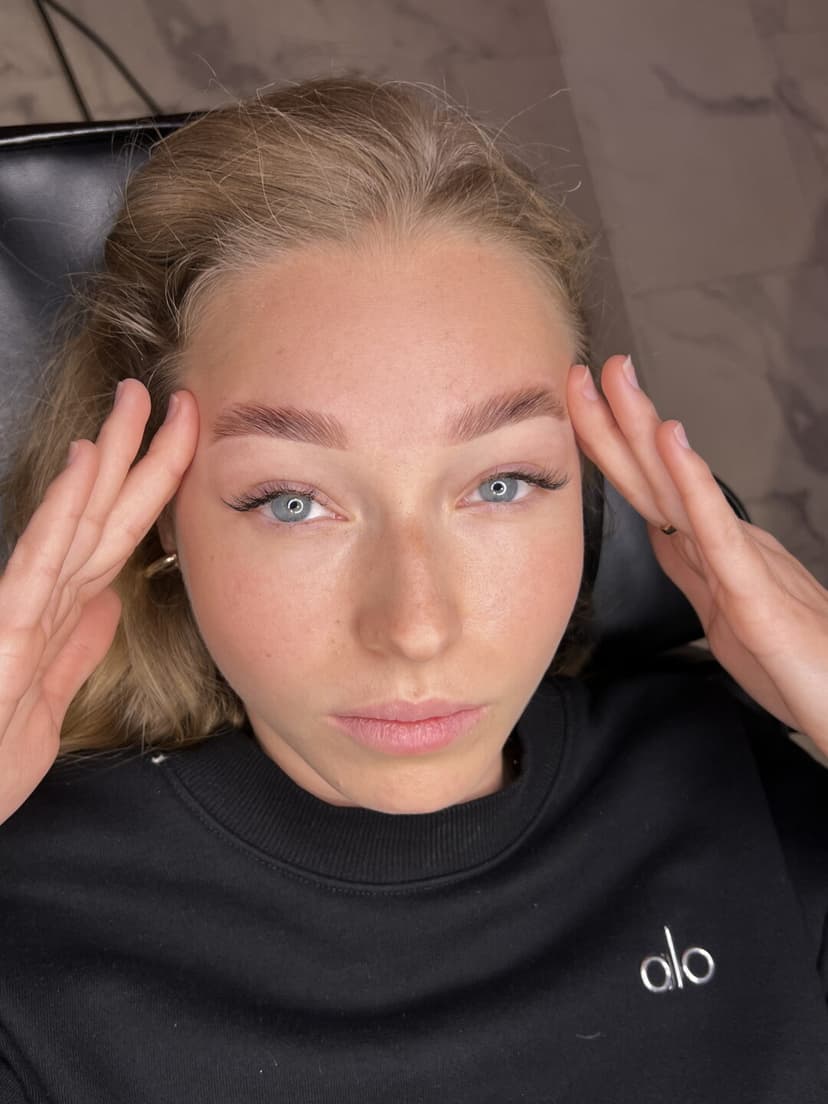
It is very important not to ignore alarming responses and evident discrepancies between the standard schedule and the current conditions during a healing process. If you follow the aftercare requirements, a skin infection is improbable. But if you feel that something is wrong, you should reach out to a professional and discuss your concerns before complications develop.
Conclusion
We, at Anna Kara’s PMU salon, are ready to consult about eyebrow microblading, considering individual peculiarities. You can contact us online, by phone, or via live chat on our site. If there are any contraindications, we offer a range of related services to choose from, like eyebrow tinting. This semi-permanent dye boosts color. Fading starts in a month (or 6 weeks), but the healing process continues just up to 24 hours, and is not as challenging as after microblading.